
What Is Lube? Types, How to Use It and Which One to Pick
By the ToyFindr team · Updated
Lube (personal lubricant) is a liquid or gel that reduces friction during sex, masturbation and toy play. It makes things more comfortable, helps prevent small tears and makes condoms less likely to break. Needing lube is normal: natural lubrication varies with arousal, hormones, medication, age and the kind of sex you are having, and the anus does not lubricate itself at all.
The four types of lube
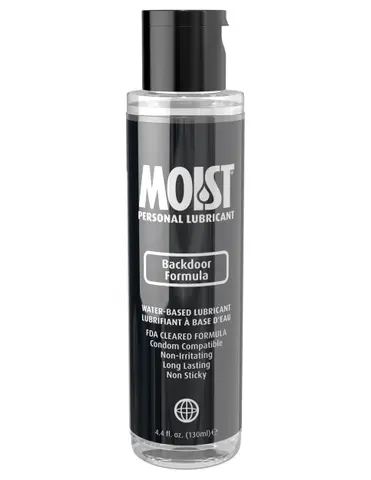
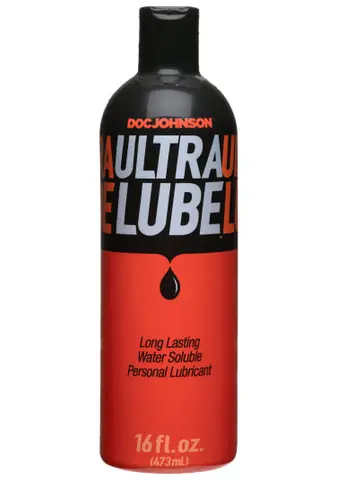
- Water-based: the all-rounder. Safe with every toy material and with latex condoms, easy to wash off, and less likely to stain. It can dry out during long sessions; a few drops of water or a reapplication fixes that.
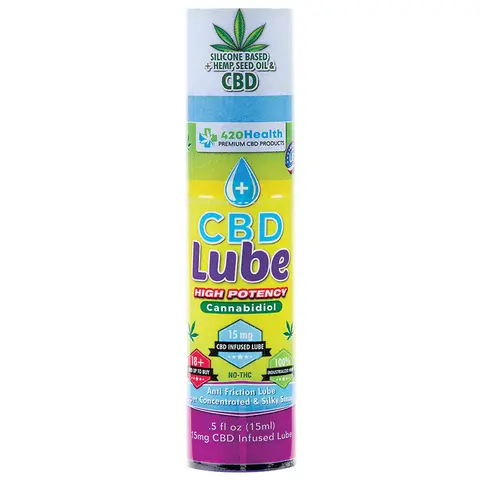
- Silicone-based: very slippery and long-lasting, and it stays put in the shower or bath. Safe with latex condoms, but it can damage some silicone toys and needs soap to wash off.
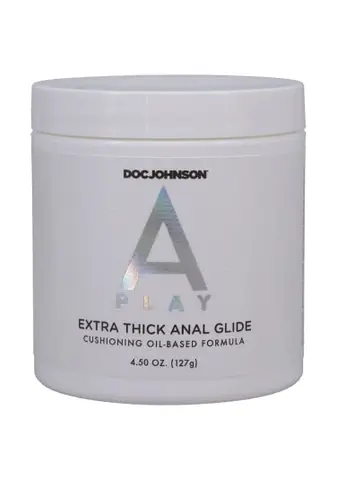
- Oil-based: long-lasting and good for massage and external use. Oil breaks down latex and polyisoprene condoms, so do not combine them.
- Hybrid: mostly water-based with a little silicone, for a longer-lasting feel that still washes off easily. Check toy compatibility like you would for silicone lube.
Which lube should you use?
- With latex condoms: water-based or silicone-based. Never oil.
- With silicone toys: water-based. If you want silicone lube, test a small hidden spot on the toy first.
- For anal sex: a thicker water-based gel or a silicone lube, applied generously and reapplied often.
- For sensitive skin or frequent infections: a simple formula without fragrance, warming or tingling agents, and with little or no glycerin. Some people find that lubes with very high concentrations (high osmolality) irritate; simpler formulas are usually gentler.
- In the shower: silicone-based, because water washes the others away.
Compare ingredients and formulas in our lube category.
How to use lube
Put a small amount on your fingers, the toy, the condom (outside) or directly on the body, and add more whenever things feel less slippery. Start with about a teaspoon; anal play and toys usually need more than you expect. Warm it in your hands first if the cold is a surprise. Water-based lube washes off with water; silicone lube needs soap.
Does lube expire?
Yes. Lube has an expiration or best-before date printed on the bottle, usually one to three years after manufacture, and some brands also give a period after opening. Throw it out once it has expired or if the smell, color or texture changes. Old lube is less effective and preservatives stop working, which can let bacteria grow.
What not to use as lube
Household products are not made for sensitive tissue. Petroleum jelly (Vaseline, Aquaphor) breaks down latex condoms and has been linked to a higher risk of bacterial vaginosis. Lotions, soaps and conditioners often contain fragrance and alcohol that irritate. Saliva dries quickly and can carry infections. Oils like coconut and olive oil weaken latex; see can you use coconut oil as lube? for the details.
Frequently asked questions
What is lube used for?
To reduce friction during sex, masturbation and toy play, which makes it more comfortable and lowers the chance of small tears and condom breakage.
Is lube safe?
Lubes made for sex are generally safe. People with sensitive skin or frequent infections often do better with simple formulas without fragrance, warming agents or glycerin. Stop using a lube that causes irritation.
What lube is safe for condoms?
Water-based and silicone-based lubes are safe with latex condoms. Oil-based lubes and petroleum jelly weaken latex and should not be used with it.
This guide is general information, not medical advice. If something hurts, feels wrong or you have a health condition, talk to a doctor.